
When decentralization is accompanied by the delegation of authority and resources, along with standardized procedures, governance effectiveness is reflected not only in the speed of resolving matters but also in reduced social costs and growing satisfaction among residents and businesses..
Header 2
Header 3
Header 4
Header 5
Header 6

Strengthening Decentralization to Improve Work-Handling Efficiency
Câu hỏi
Câu trả lời
After more than a year of operating under the two-tier local government model, Hanoi continues to promote decentralization and delegation to local authorities, alongside a shift in governance thinking, administrative reform, digital
Box giấy
transformation, stronger administrative discipline, and greater accountability among heads of agencies and units.
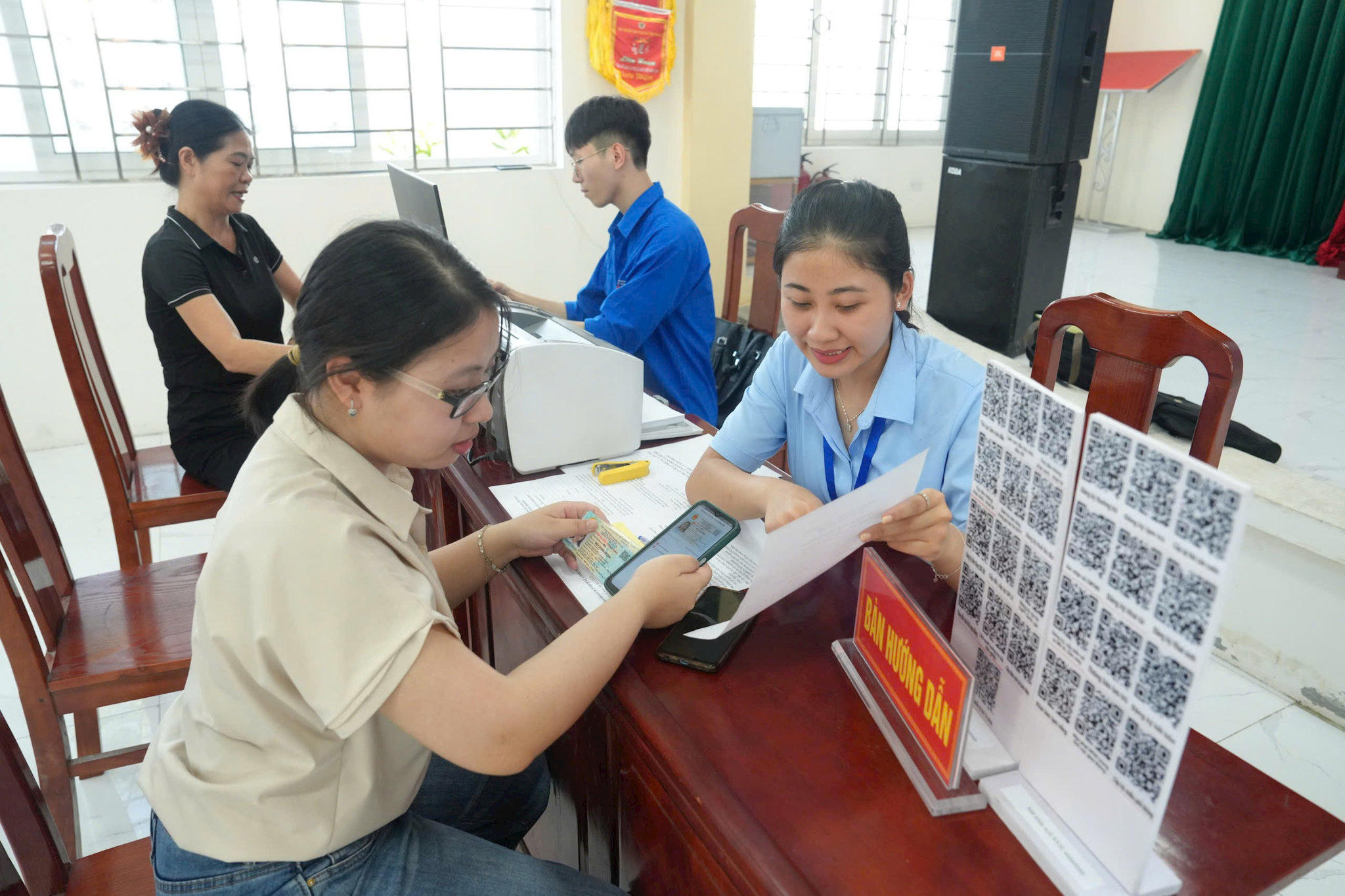


The city has adopted the principle of “local authorities decide, local authorities implement, and local authorities take responsibility,” under which tasks are
assigned to the level that is closest to residents, best understands their needs, and can resolve them most effectively. Since March 2026, the city has

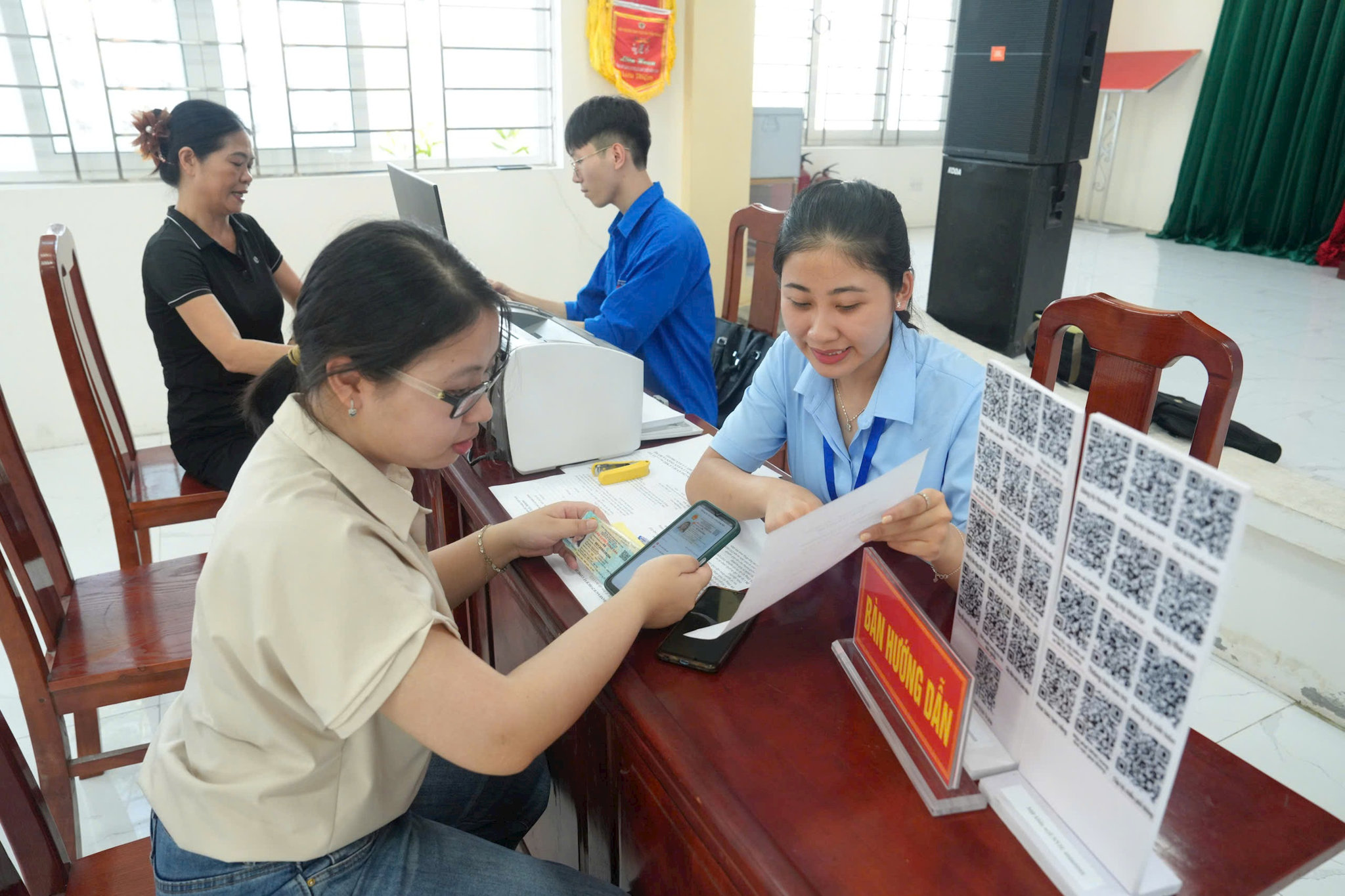

continued to instruct departments, agencies, communes, and wards to step up decentralization and delegation while improving the efficiency of administrative procedure processing.

I, know a place. Its somewhere
To put this policy into practice, Hanoi conducted a comprehensive review of 2,007 state management tasks across 14 sectors. Following the
It's somewhere i go when i need to remember your face
decentralization and delegation process, a total of 926 tasks are now assigned to commune-level authorities. The city has also delegated 661 administrative procedures from the municipal government and departments to the grassroots level, enabling residents and businesses to handle their affairs directly in their localities.
Box viền đỏ
According to Hanoi Department of Finance Director Nguyen Ngoc Tu, after one year of implementing the two-tier local government model, Hanoi has effectively carried out the restructuring of administrative units, streamlined its apparatus,
And I miss you on a train, I miss you in the morning
and improved the effectiveness and efficiency of state governance. Experience from implementation shows that decentralization and delegation are not merely measures to reform the organizational structure but have also become important drivers of socio-economic development, laying the foundation for the city to achieve its target of double-digit GRDP growth during 2026–2030.
The effectiveness of decentralization and delegation is therefore reflected first and foremost in the ability to resolve matters more quickly and directly at the local level, while reducing costs and making procedures more convenient for residents and businesses. This also provides a basis for strengthening the initiative and autonomy of grassroots authorities in carrying out their responsibilities. Initial results show the direct impact of bringing responsibilities closer to residents: processing times have been shortened by three to five days, while the rate of applications processed on time or ahead of schedule has reached 95.77%.
From July 1, 2025, to January 31, 2026, the city processed more than 2.26 million administrative applications through decentralization and delegation mechanisms, saving approximately VND63.5 billion in social costs. In the first four months of 2026 alone, the measures generated further savings of more than VND37 billion for residents and businesses. Notably, the delegation of numerous procedures in areas such as land, construction, investment, and business registration has helped shorten processing times, reduce compliance costs, improve the investment and business environment, and increase satisfaction among residents.
Standardizing Procedures and Connecting Data for Meaningful Decentralization
Bringing responsibilities down to the grassroots level requires Hanoi to simultaneously ensure that the authorities receiving those responsibilities have the necessary conditions to carry them out effectively. Therefore, the city is continuing to accelerate decentralization and delegation in tandem with process standardization, digitalization of records, and data connectivity.
According to Cu Ngoc Trang, Director of the Hanoi Department of Science and Technology, after one year of implementation, digital transformation is no longer a standalone technical task but has become a foundation for governance under the new administrative model. Data is regarded as essential infrastructure, serving not only management and administration but also connecting the municipal government with 126 communes and wards and enabling the delivery of public services to residents. The city has established a number of key data platforms and is gradually digitizing and connecting sector-specific databases, supporting the processing of nearly 4 million administrative applications annually. It has also issued a unified digital architecture and data architecture framework.
Alongside these efforts, Hanoi has established a centralized and unified system for managing and processing tasks across four administrative blocks, operating seamlessly from the city level to the grassroots and connected with central government agencies. The HanoiWork workspace system and iHanoi digital interaction platform have also been deployed, providing channels through which authorities can receive residents' opinions and feedback.
Speaking at the National Conference on the preliminary review of one year of operating the overall organizational model of the political system and the three-tier local government model, organized by the Politburo, Politburo member and Secretary of the Hanoi Party Committee Tran Duc Thang said Hanoi places particular emphasis on decentralization and delegation based on the principle that “whatever lower-level authorities can do well should be fully delegated to them.” Assigning responsibilities must go hand in hand with granting authority, providing resources, guidance, and support rather than simply leaving lower-level authorities to handle matters on their own.
The city is currently implementing 1,311 tasks decentralized and delegated by the central government, including 1,070 tasks assigned to commune-level authorities. All tasks transferred through decentralization have been standardized in terms of procedures, helping ensure consistency in implementation while giving grassroots authorities greater autonomy in handling their responsibilities.

In addition, building a modern public administration on the foundation of digital transformation and data has been identified as one of the city’s key priorities. Hanoi has established a centralized and unified system for managing and processing tasks across four administrative blocks, operating seamlessly from the city level to the grassroots and connected with central government agencies. To date, the city has provided 2,077 public services, including 1,118 procedures eligible for fully online processing and 34 procedures for which information can be provided online. These results have helped improve the efficiency of the administrative apparatus while making it more convenient for residents and businesses to complete administrative procedures.
In terms of governance capacity, decentralization and delegation, together with the new administrative model, have enabled the city to take a more proactive role in deciding on important matters concerning the capital, such as issuing detailed regulations for the 2026 Capital Law, developing a 100-year vision master plan, gradually resolving long-standing issues related to site clearance and delayed projects, addressing bottlenecks, and implementing a number of large-scale projects.
With regard to socio-economic development, the removal of intermediary layers and accelerated administrative reform have helped create a more favorable environment for investment and growth. Hanoi’s GRDP in 2025 and the first six months of 2026 reached its highest level in many years. The digital economy continued to account for a significant share of the economy; the e-commerce index and state budget revenue in the first half of the year both posted positive results, while the public investment disbursement rate exceeded 50%.
It is clear that, from administrative procedure reform to addressing major challenges facing the capital, decentralization and delegation are opening the way for Hanoi to adopt a more proactive approach to governance. When authority and responsibility are assigned at the appropriate level, supported by data infrastructure and digital transformation, this will provide an important foundation for the city to unlock resources, strengthen its management capacity, and drive development during the 2026–2030 period.