
The year 2026 marks a notable milestone as the European Union enters the official phase of its Carbon Border Adjustment Mechanism (CBAM), while Vietnam rolls out its 2026–2030 Sustainable Business Support Programme.
For businesses, the incentive to transition lies in the ability to recoup costs, create additional value and meet compliance requirements, according to several international experts in their conversations with Hanoi Moi newspaper.
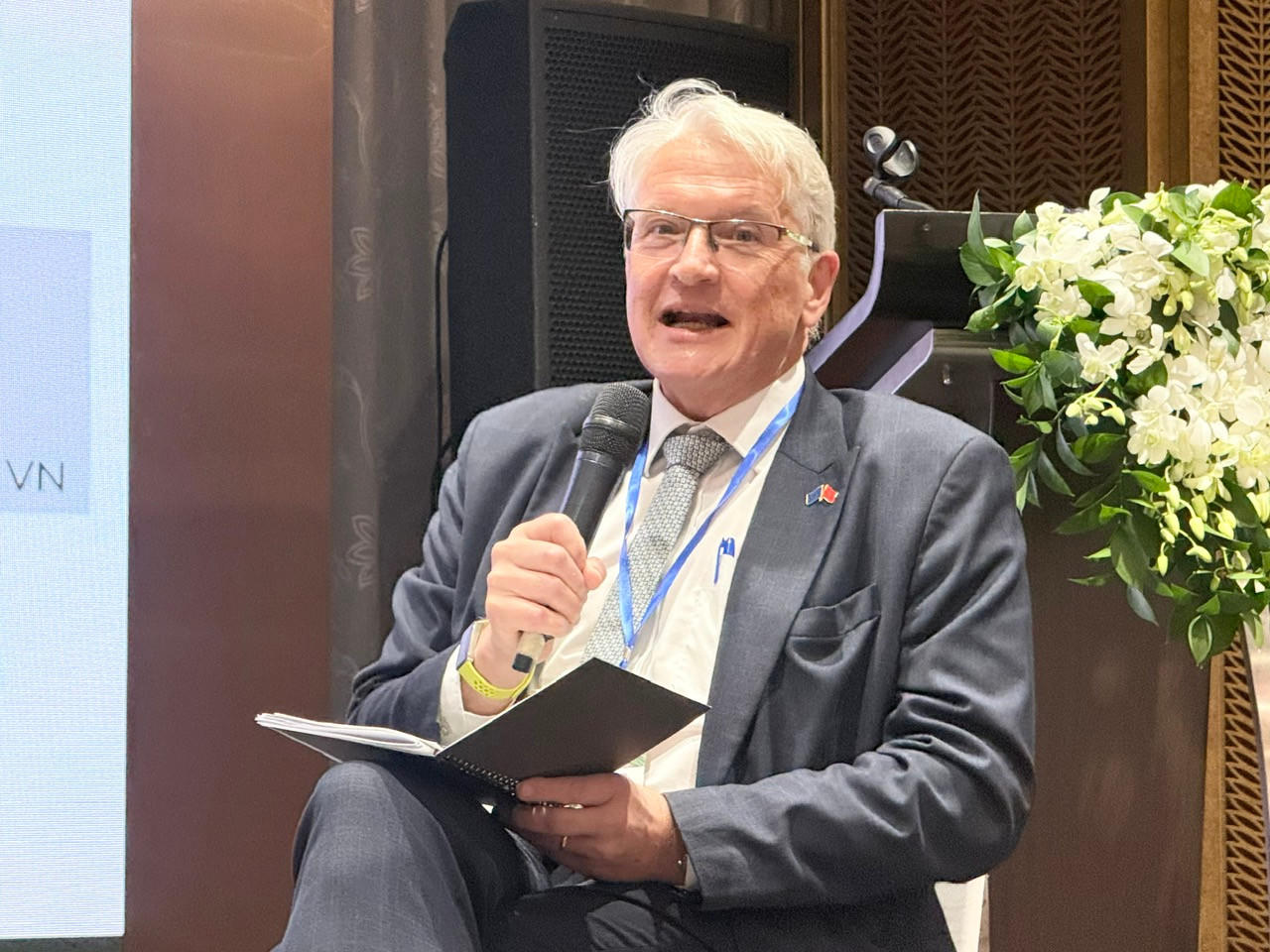
Ulrich Weigl, Head of Trade at the EU Delegation to Vietnam, said that Vietnam is one of the few partners taking a proactive approach to Europe’s new green regulations. Specifically, in response to requirements such as CBAM, the regulation on deforestation-free products, and sustainability standards, many countries tend to be concerned or seek to delay implementation, whereas Vietnam often focuses on how to meet the new requirements and make the most of the opportunities arising from the process.
The EU has recognized Vietnam’s efforts to establish a carbon pricing mechanism and explore the possibility of linking it with the European system, thereby creating conditions for domestic businesses to have their emissions-reduction results recognized when exporting to the European market.
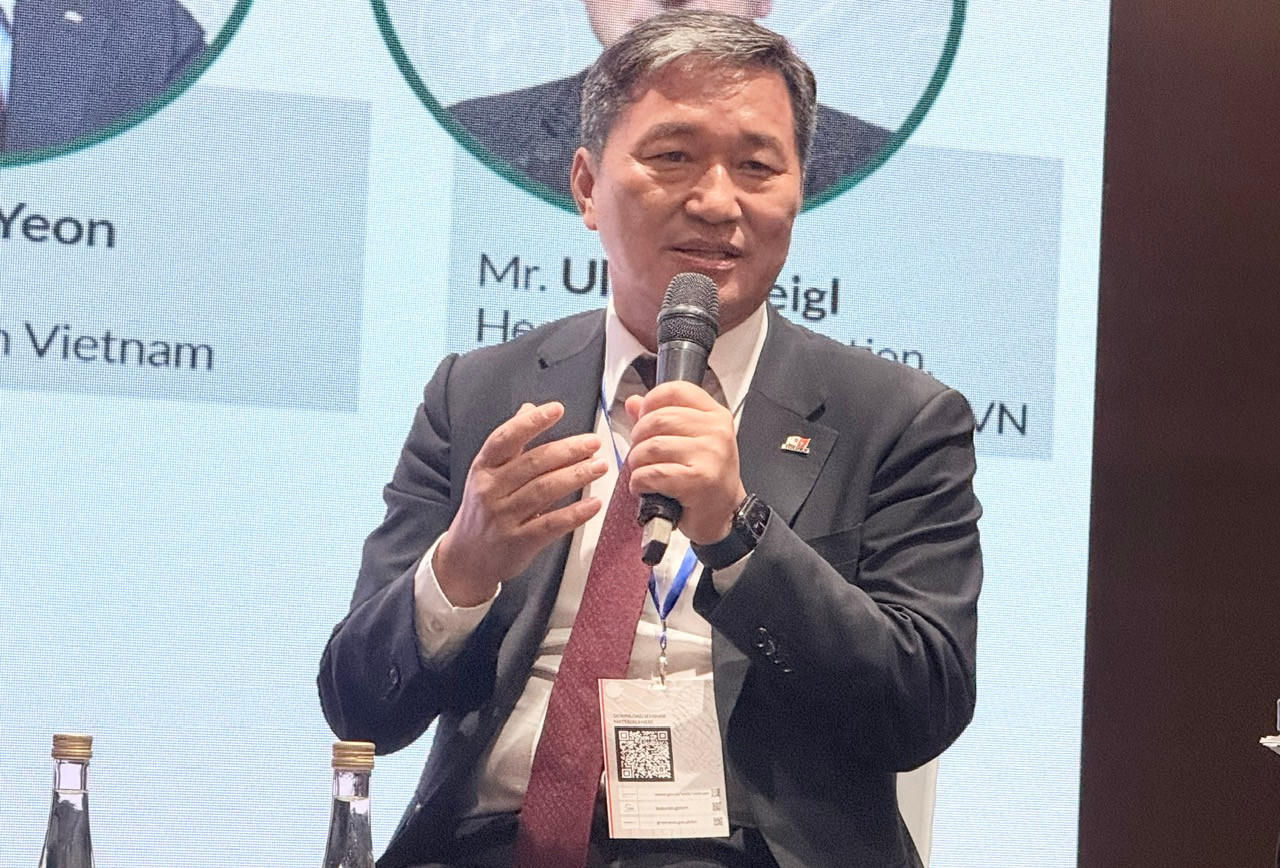
Ko Tae Yeon, Chairman of the Korea Chamber of Business in Vietnam (KoCham), noted that many businesses still view ESG and sustainable development as an additional cost rather than an opportunity to create new value.
The potential to expand into new markets, increase export orders, and access new business opportunities will encourage businesses to invest in the green transition.
South Korea’s experience shows that policy can help create such benefits. The Korean government has established programs to encourage businesses with strong ESG performance by facilitating their access to public projects, thereby linking sustainable development more closely with business strategy.
Ko Tae Yeon suggested that Vietnam could draw on this approach while continuing to refine its regulations to make them clearer and more practical, supporting both large enterprises and small and medium-sized enterprises.

Bruno Jaspaert, Chairman of the European Chamber of Commerce in Vietnam (EuroCham), stressed that Vietnam needs to clearly identify sectors with the potential to generate sustainable value in order to focus its support resources. The government cannot support every sector at the same time, but it can select priority industries and work alongside businesses investing in environmental solutions and green technologies. Focusing resources on the right sectors and businesses will make support policies more effective while providing greater incentives for the private sector to participate in the green transition.
CBAM and the Sustainable Business Support Programme
The EU’s Carbon Border Adjustment Mechanism (CBAM) officially took effect on January 1, 2026, covering several categories of high-emission goods, including iron and steel, aluminum, cement, fertilizers, electricity and hydrogen. The mechanism imposes higher requirements for measuring, reporting and verifying emissions associated with goods exported to the EU.



In Vietnam, the 2026–2030 Sustainable Business Support Programme was approved by the Prime Minister under Decision No. 926/QD-TTg dated May 25, 2026. The programme aims to help businesses, cooperatives and household businesses strengthen their sustainable business capabilities, adopt technological innovations and use resources more efficiently. It provides a basis for businesses to proactively adapt to increasingly stringent green requirements in the market.
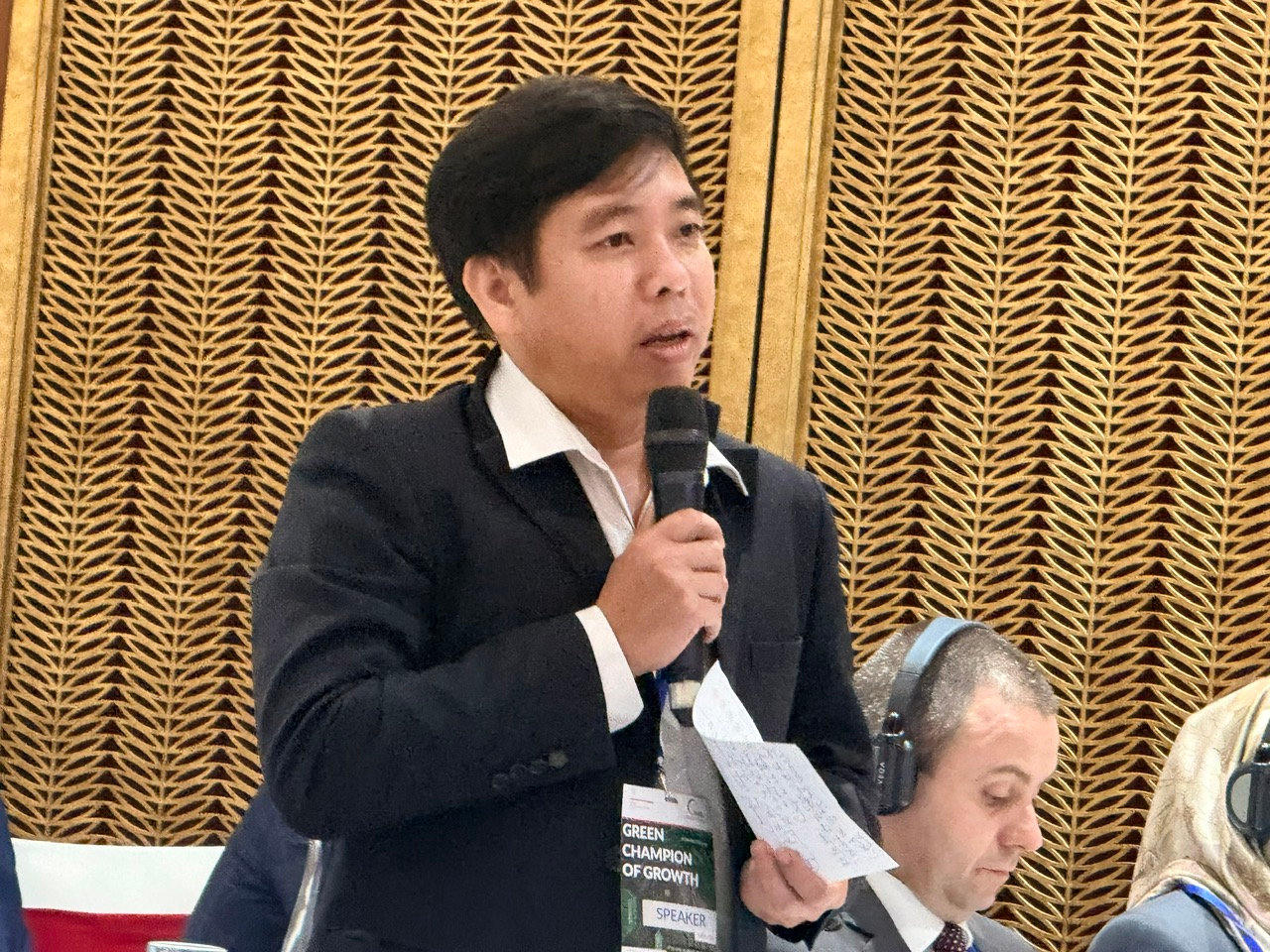
From a policy perspective, Dr. Nguyen Sy Linh, Head of the Climate Change Division at the Institute of Strategy and Policy on Agriculture and Environment under the Ministry of Agriculture and Environment, said that Vietnam already has a relatively clear orientation toward green growth and the green transition. The current challenge is to ensure that regulations are properly understood and effectively implemented in practice.
International partners can support Vietnam in refining its policies to make them more transparent, accessible and business-friendly. With the EU’s green regulations, such as CBAM, Vietnam also needs to take into account the varying levels of readiness among different groups of businesses rather than applying a one-size-fits-all approach.


Dr. Nguyen Sy Linh proposed classifying businesses into three groups: those that are ready, those that are preparing, and those that need additional support, so that appropriate policies can be developed for each group. In his view, this approach would improve implementation while avoiding unnecessary pressure on businesses that are not yet ready for the transition.
Citing the example of Samsung, which began purchasing electricity directly from a solar power company in early June, he noted that the FDI sector is contributing to the development of Vietnam’s renewable energy market, thereby creating additional momentum for the transition.
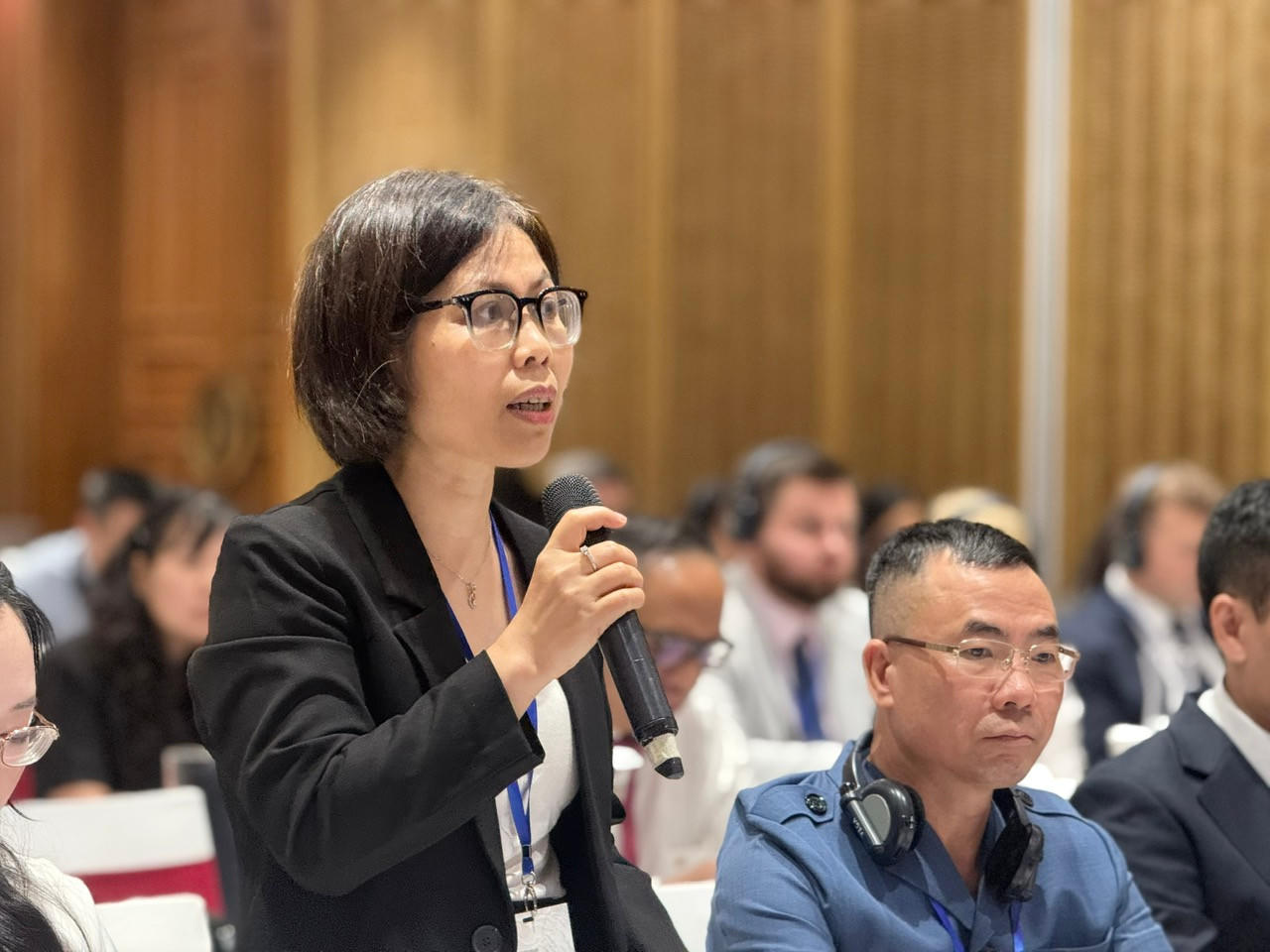
Assoc. Prof. Dr. Nguyen Thi Ngoc, Director of the EU Studies Centre at the Institute for European and American Studies (IEAS), said that the green transition has become a new prerequisite for the competitiveness of nations, businesses and supply chains. She noted that science, technology and innovation need to become drivers of growth in the new phase.
She also said that policy dialogues should be translated into concrete cooperation projects and pilot models at businesses, industrial parks and localities in order to deliver tangible results.
Market requirements are driving businesses to change, while policies need to create favorable conditions for this process. When businesses see the economic benefits, they will have greater incentives to invest in the green transition rather than viewing it merely as a compliance cost.